

7 DMS Features Every Independent Dealer Needs to Compete in 2026

March 5, 2026
5 min read
If your dealership is doing the work, your software should be doing its share too.
Running an independent car dealership in 2026 means wearing multiple hats. You're buying cars at auction in the morning, closing deals by lunch, chasing down a title issue at 3 p.m., and reconciling numbers until well past dinner. You already know the grind. The question is whether your software is making that grind easier or adding to it.
The same patchwork of disconnected tools that got the lot to 50+ cars is now creating gaps, errors, and wasted hours that cost real money.

And while franchise dealers operate with connected systems that give them financial clarity at a glance, many independents are still waiting on a bookkeeper to tell them how last month went.
That gap does not have to exist. The right dealership management software for independents should cover your entire operation from the moment you appraise a vehicle to the moment it hits your books as a sold unit.
"We know the realities of running an independent dealership. When you choose dealr.cloud, you're making a business decision that genuinely impacts your day-to-day life. It puts you in control."
Let’s talk about seven features that separate the systems built for how you actually work from the ones holding you back.
1. Built-In Dealership Accounting (Not a Bolt-On)
If your DMS sends data to a separate accounting tool, you are living with a lag. Every manual export, every re-keyed number, every end-of-month reconciliation is a chance for errors and a drain on time. Independent dealers need accounting that lives inside the same system as their sales, inventory, and service data.
The accounting features in dealership software that independent dealers need most are the ones that post deals to your books automatically - without extra keystrokes. For example, recon costs, floorplan payments, etc. You get P&L visibility on demand instead of waiting for someone else to run the numbers for you.
- Deals should be posted to your books the moment they close, not days later after manual entry.
- Floorplan payments, recon costs, and contracts in transit should reconcile automatically inside the same system.
- You should be able to pull your financial position from anywhere, at any time, without calling your bookkeeper.
2. Unified Inventory and Recon Tracking
Buying the right car is only half the equation. Getting it frontline-ready fast and knowing exactly what you spent to get it there is where profit lives or dies. Too many independents track recon in a spreadsheet or a disconnected service tool, which means the true cost per unit does not show up until weeks later, if it shows up at all.
The best DMS features independent dealers should look for include recon tracking that is wired directly into inventory and accounting. When your service team closes a repair order, that cost should attach to the vehicle record instantly.
- Every reconditioning dollar should attach to the vehicle record the moment the repair order closes.
- Market day supply data should inform which cars you buy at auction and how you price them to move.
- Time-to-frontline should be visible per vehicle so you can spot delays before they eat into your margin.
3. CRM With Inbound Lead Capture and Fast First Response
CRM features in your DMS matter because leads go cold fast. A buyer who submits a form on your website or sends a text about a listing is also reaching out to two or three other lots at the same time. The dealer who responds first wins a bigger share of those deals.
The best CRM features in a DMS pull in every inbound lead automatically from your website, texts, and listing sites into one screen.
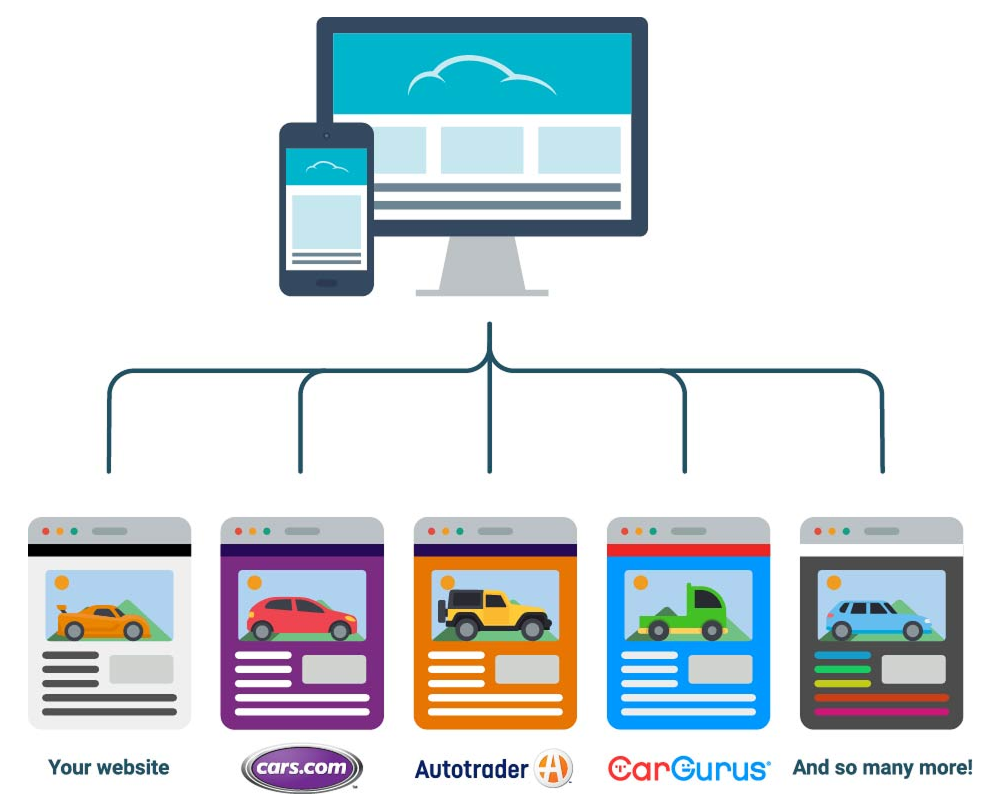
This should make it easy for your team to respond within minutes, not hours. If your CRM is a separate login from your inventory and desking tools, your salespeople are toggling between screens instead of selling.
- Every inbound lead from your website, text, or listing site should land in one place automatically.
- Your team should be able to respond within minutes, not hours, because the first response wins the deal.
- Lead activity, vehicle interest, and deal history should be visible without switching between systems.
4. Deal Structuring With Zero Double Entry
Every extra keystroke is a chance for error and a tax on your team's patience. When a buyer's information has to be entered once during the lead stage, again in your desking tool, again in your F&I menu, and once more in your accounting system, you are multiplying risk and wasting hours across the dealership every week.
A connected system should let information flow from appraisal to deal jacket to accounting without anyone re-typing a name, address, or VIN. This is one of the core independent dealer software features that separates modern systems from legacy setups. DMS features for independent auto dealers should reduce keystrokes, not add them.
5. Real-Time Financial Visibility
Strong DMS financial reporting features should give car dealers consolidated reporting from a single login. You should see how each location is performing right now.
See if you can answer this question right now, without calling anyone: how much money did your dealership make this week? If you can't, your system has a gap that matters more than almost any other feature on this list.
Real-time financial visibility means dashboards and reports reflect today's numbers, not last month's. It means seeing per-deal profit, departmental performance, and cash flow in one place. Dealerships, especially with more than one rooftops need centralized reporting across all locations. When every department feeds into one set of books, you stop making decisions on gut feel and start making them on data.
When evaluating DMS software features for used car dealerships, start with one question: can you see your per-deal profit the moment a car sells? If the answer is no, you have a visibility problem.
6. Service and Repair Orders Connected to Your Books
For dealers who do in-house reconditioning or run a service department, disconnected service operations are one of the most expensive gaps in the business.

When a repair order closes in one system and the cost has to be manually entered in another, two things happen. First, there is a delay. Second, some costs never make it over at all. That means your per-vehicle profit calculations are wrong, and you might be pricing your next car based on incomplete data.
- Closed repair orders should post costs to the vehicle record and your books at the same time.
- Service labor, parts, and outside vendor charges should all show up without manual re-entry.
- Per-vehicle profitability should reflect every dollar spent, from acquisition to frontline, without gaps.
The DMS software features for used car dealerships that matter most in 2026 are the ones that connect your front office to your back office.
7. Support From People Who Understand Your Business
Ask any dealer what matters when something breaks mid-deal, and the answer is always the same: someone on the phone who gets it.
You need a support team that understands why a stuck deal jacket matters right now, not in 24 hours. Generic tech support reads from scripts.
Dealership-savvy support solves problems because they have lived the same workflow you are describing. Platforms like dealr.cloud were built inside real dealerships and are backed by teams that know the business firsthand.
- Support should come from people who understand dealership workflows, not generic tech reps reading scripts.
- Response time matters when you are in the middle of a live deal and something needs fixing now.
- The team behind your software should know you and your business by name, not by ticket number.
Quick Snapshot: DMS Features Independent Dealers Need
DMS Features That Define the Bigger Picture for Independents
If you are evaluating an all-in-one DMS for used car dealers, the checklist above is a starting point. The dealers who are pulling ahead in 2026 are the ones who stopped duct-taping systems together and chose connected platforms that give them operational and financial control in one place. Independent dealers today need a cloud-based, mobile-friendly platform that lets them manage their lot, their deals, and their numbers from anywhere.
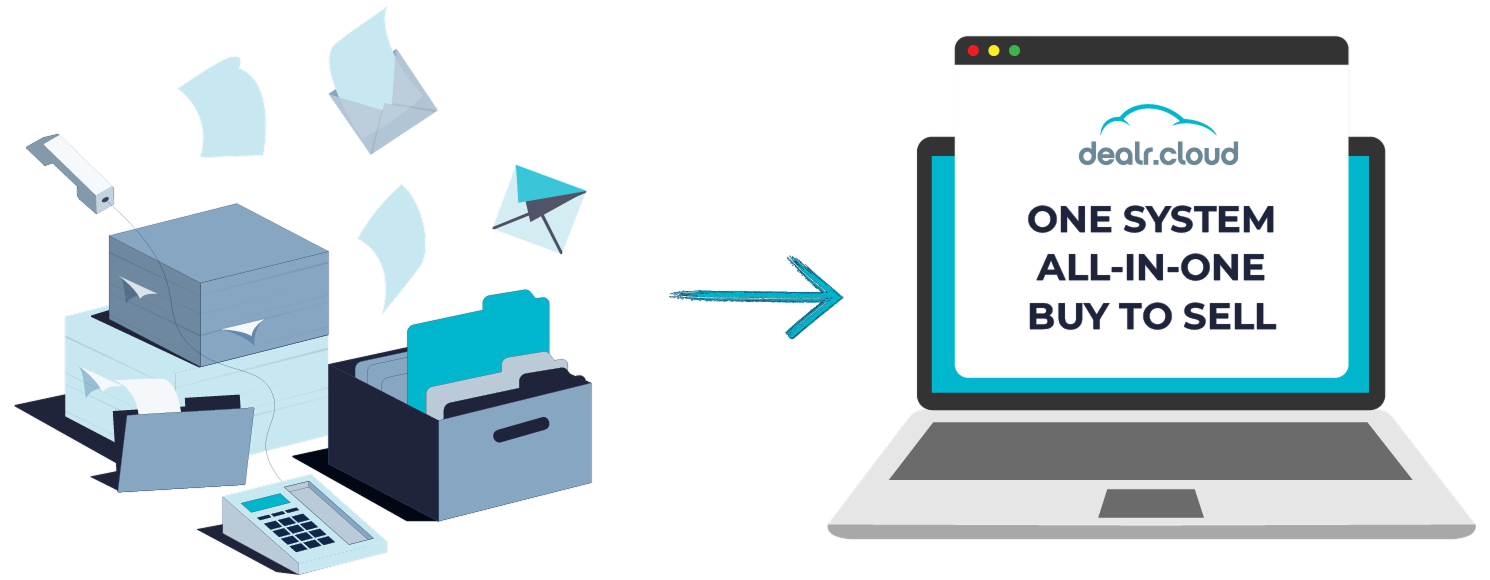
dealr.cloud is one example of a system built specifically for independents, covering the full buy-to-sold lifecycle with dealership-specific accounting, CRM, inventory, service, and desking under one login. The same software that got you where you are may not take you to the next level.


"We've been in business for 54 years and have grown from five cars to 70. As the business grew, our systems were piecemeal, didn't fit together, and were inefficient. We finally found dealr.cloud, and it was the best thing I've ever seen."
.png)

%20isn%E2%80%99t%20as%20Disruptive%20for%20You%20Think.png)