

10 Auto Dealership Lead Conversion Ideas for 2026

January 29, 2026
12 min read
Independent auto dealerships often struggle to convert leads.
Buyers compare multiple stores and expect immediate, relevant responses. When inventory context is missing, follow-up is slow, or systems are disconnected, interest fades before a real conversation even starts.
Lead conversion in 2026 is not a marketing problem. It is an execution problem.
1. Lead response speed is an operational advantage
Faster lead response times is an operational advantage. When a buyer submits a lead, they are usually contacting multiple dealerships at the same time. The dealership that responds first gets the highest attention in those early conversations. Faster replies do not guarantee a sale, but slower replies guarantee lost opportunities.
This is why lead handling cannot rely on inboxes. When leads arrive through email, websites, or third-party listings and land in different places, response time becomes inconsistent. Car dealership lead response should be measured, not assumed. Minutes matter when buyers contact multiple stores.
With a centralized lead queue, an all-in-one DMS such as dealr.cloud surfaces new leads instantly and routes them to available sales staff. This way, response speed becomes visible, measurable, and repeatable.
2. The first response must include vehicle context
For every lead, salespeople need answers to three questions immediately:
- Who is the buyer?
- Where did they come from?
- What vehicle are they interested in?
Without this context, salespeople default to basic or generic questions instead of advancing the conversation. Generic replies feel interchangeable. A “How can I help?” message does not confirm that you understood what the buyer asked for. Lead engagement in auto sales drops with generic replies.
The first response should always include:
- A photo of the exact vehicle
- A direct link to that vehicle
- Clear next steps for availability
Buyers want proof that you have the vehicle they asked about. Ideally, your DMS should allow sales teams to attach vehicle photos and links directly from inventory. This removes manual searching and copy-pasting. Context improves reply quality, and quality replies convert better than fast but vague ones.
3. Texting should be the default first response
Often, buyers do not want calls first. They want relevant information over text so they can decide who is worth talking to.
Texting works because it is fast, visible, and easy to respond to without commitment. Calls can come later, once interest is established.
The problem is unmanaged texting. When salespeople use personal phones, conversations disappear from view and owners lose oversight.
dealr.cloud provides dealership-owned texting tied to each lead and vehicle. Conversations stay documented, searchable, and visible to management. Texting becomes a controlled process instead of an informal habit.
Lead conversion should not depend on individual heroics. It should depend on systems and processes that hold up on busy Saturdays.
4. A centralized lead management prevents leakage
Many independent dealerships already receive inbound interest. Leads arrive through websites, listing platforms, phone calls, and walk-ins. Generating more leads does not fix broken follow-up. The issue is fragmentation.
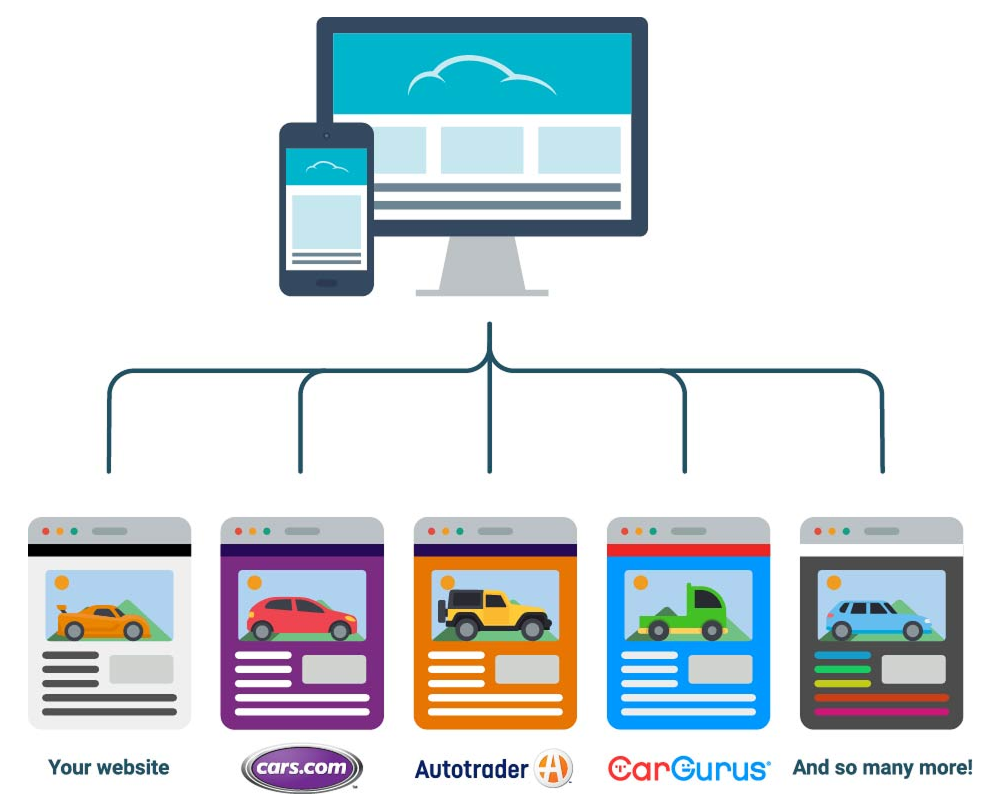
Unowned leads rarely convert. When multiple salespeople assume someone else is handling a lead, no one actually does. Car dealership follow-up strategies fail when they depend on reminders and memory.
The best lead conversion tools for dealerships support ownership and accountability. Every lead has an owner. Every interaction has a timestamp. Every un-attended conversation is visible.
dealr.cloud brings all inbound activity into one workspace, regardless of source. Owners can see what is happening without chasing updates. Lead conversion strategies for auto dealerships work when they are simple and repeatable.
5. Lead source attribution brings you more leads with the same ad spend
Auto dealership marketing techniques lose value without attribution. Dealers keep paying for ads without knowing which ad channels get quality leads that convert better.
With a lead attribution system, spend decisions improve. You double down on sources that sell and stop paying for sources that do not.
dealr.cloud connects leads directly to deals. When a vehicle is sold, the system records where that lead originated. Over time, patterns emerge. Budget decisions become data-driven instead of habit-driven.
6. Faster listings capture fresh buyer intent
Automotive lead generation ideas do not start with ads. They start with inventory that is live, priced correctly, and visible quickly. Faster listings capture demand.
Every hour a vehicle is not live is lost exposure. Many dealerships delay listings because photos are pending or minor work remains. Meanwhile, buyers move on.
With faster inventory activation and direct syndication, dealr.cloud helps vehicles go live quickly and updates flow automatically. The automotive sales funnel starts before a buyer visits the lot. It begins when inventory goes live and leads arrive while interest is fresh.
7. Faster recon creates more inbound demand
Lead generation starts before the lead exists. Vehicles stuck in recon do not generate interest. Disconnected DMS systems create blind spots.
Independent dealerships often struggle to track recon stages clearly. Whiteboards and verbal updates do not scale. Inventory readiness is part of lead conversion.


dealr.cloud ties recon tracking directly to inventory. Owners see what is waiting on parts, detail, or photos. Bottlenecks become visible. Faster time-to-line means more inbound leads without increasing ad spend.
Sales teams also benefit. They know what is ready, what is pending, and why. Clear answers build buyer confidence.
8. Market data improves buyer conversations
Buyers arrive informed. When sales teams rely on instinct instead of data, conversations feel defensive. Without market context, teams either underprice or overprice. Both hurt conversion.
When sales teams understand market supply, comparable pricing, and expected days-to-sell, car dealership sales strategies work better. The sales reps can explain why a vehicle is priced the way it is and why timing matters.
Ask yourself – does your DMS show real-time market data for similar inventory within a 50-mile radius?

9. Preventing errors in the paperwork protects the final mile
Car sales lead conversion tips often ignore the last mile. Errors late in the deal process create doubt. Incorrect addresses, tax issues, or odometer mismatches slow delivery or unwind deals.
Buyers lose confidence when problems appear after commitment.
Systems that prevent mistakes protect conversion by keeping deals intact. dealr.cloud flags issues early, before they become visible to the customer.

Clean paperwork keeps momentum high when intent is strongest.
10. Your website still matters for digital footfall
Third-party platforms drive traffic, but your website controls the experience.
It is the only place where you decide how easy it is to contact you, what information is shown, and how leads are captured.
Add testimonials and reviews. They give new buyers confidence before they ever reach out. Think of your website as a part of the lead workflow, not a static brochure.
Legacy DMS Limits Lead Conversion
To increase auto dealership leads, inventory must reach the market faster. Speed creates the first opportunity, but conversion depends on what happens next.
Better lead conversion helps independent dealers outgrow larger competitors by turning speed, context, and follow-up into a repeatable system. Deals are won by responding first, sharing the right vehicle details, and avoiding errors in paperwork and sale formalities.
Modern all-in-one systems enable disciplined processes that legacy DMS setups cannot support. Lead conversion strategies for dealerships work when process replaces heroics. The system should perform the same on a slow Tuesday and a busy Saturday.
.png)

%20isn%E2%80%99t%20as%20Disruptive%20for%20You%20Think.png)