

Why Location No Longer Decides Dealership Lead Conversion

January 2, 2026
12 min read
Location doesn’t sell cars anymore. Speed does.
There was a time when location decided outcomes. Independent dealers paid premium rent to sit on busy roads. Visibility meant walk-ins. Walk-ins meant sales. If customers drove past your lot every day, you had an edge.
That edge is gone.
Today, buyers don’t discover dealerships while driving. They discover them while scrolling. Inventory is searched online. Prices are compared in minutes. Reviews are read before contact. By the time a buyer reaches out, they already know what they want.
Your next buyer isn’t driving by – they’re scrolling by.
This is the reality of digital car sales, and it’s why response speed and the quality of that response – supported by a system that ensures follow-up, relevance, and zero leakage – now matter more than where your dealership is located.
And if your dealership is in a prime location and you’re wondering why dealership leads don’t convert despite that, it’s time to look at response time and the system meant to support it.
First Response Time Matter a LOT
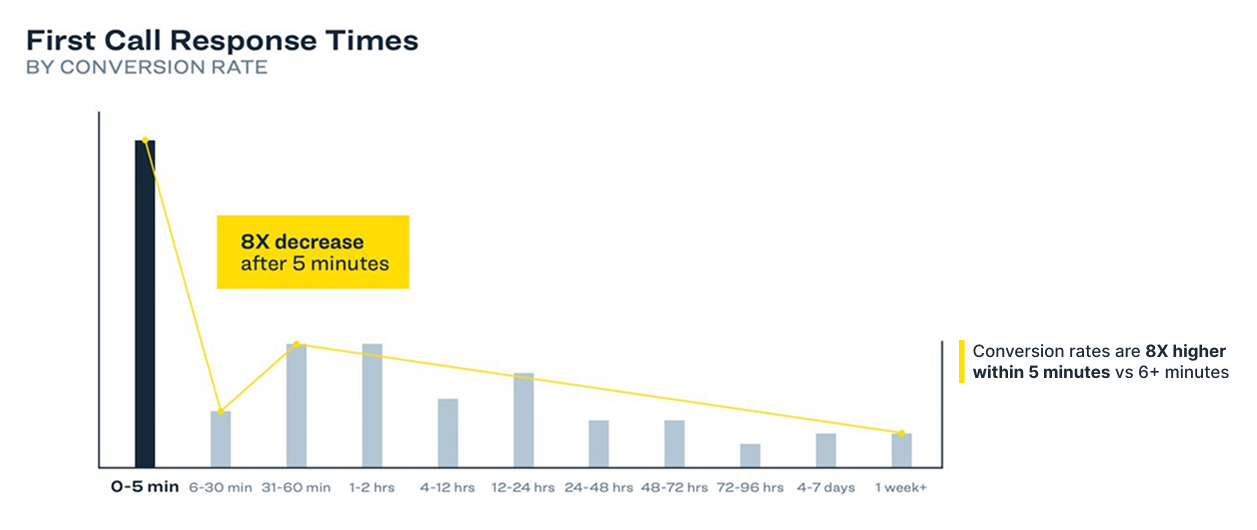
That window of peak interest is brutally short. Buyers today do not submit one form. They submit three or four. They compare inventory before they contact you. By the time they submit an inquiry, the inventory question is already answered.
What triggers them to act next is responsiveness.
→ Which dealership replies first.
→ Which one replies clearly.
→ Which one seems organized and serious.
This is why first response time has become one of the most important conversion metrics in modern dealerships.

Speed to response time is a key driver in lead conversion in car dealerships.
First Response Time Beats Inventory / Lot Size / Location
Dealers often assume the biggest inventory wins. More cars should mean more chances. That logic worked when buyers had to visit lots to see options.
Today, buyers filter inventory online before they ever contact a dealer. When they submit an inquiry, they are already deep into decision mode.
When a dealership responds within minutes, it signals respect for the buyer’s time and that their inquiry matters. Slow response sends the opposite message, even if unintentionally.
That is why dealership leads conversion is now tied more closely to response time than inventory size or lot location.
If two dealers have the same car, the faster responder usually wins the opportunity to engage. Buyers don’t wait for callbacks anymore. They keep moving until someone answers with clarity.
A fast response opens the door. But speed alone doesn’t convert leads. It only works when it’s supported by the right system – how leads are handled, followed up, and responded to.

Converting dealership leads consistently requires more than speed – it requires structure around how responses are handled. Here are 5 ways to think about building a system that allows you to respond faster and outcompete dealerships in more prime locations -
1. Leads Can’t Be Treated Like Emails
Leads land in email inboxes. Email is not a system. It has no ownership, no audit trail, no shared visibility. This reflects poor car dealership lead management.
When paid inquiries get treated like messages instead of revenue opportunities, the dealership loses control without realizing it.
What makes the email system flawed is:
- No centralized view of who responded and who didn’t
- No shared visibility across the sales team
- No way for ownership to review response quality or speed
This is a classic car dealership lead management problem. Leads don’t disappear. They quietly expire.
2. Fast Inbound Lead Management looks like this…
A fast response is not about telling salespeople to “be quicker.” Effective inbound lead management shares a few traits:
- Leads are visible the moment they arrive
- Salespeople know exactly which vehicle the buyer asked about
- Responding does not require switching tools or hunting for details
When inventory, leads, and communication live together, response becomes natural instead of forced.
Ask yourself: does my system help me offset my competitors’ advantage of being in a prime location?
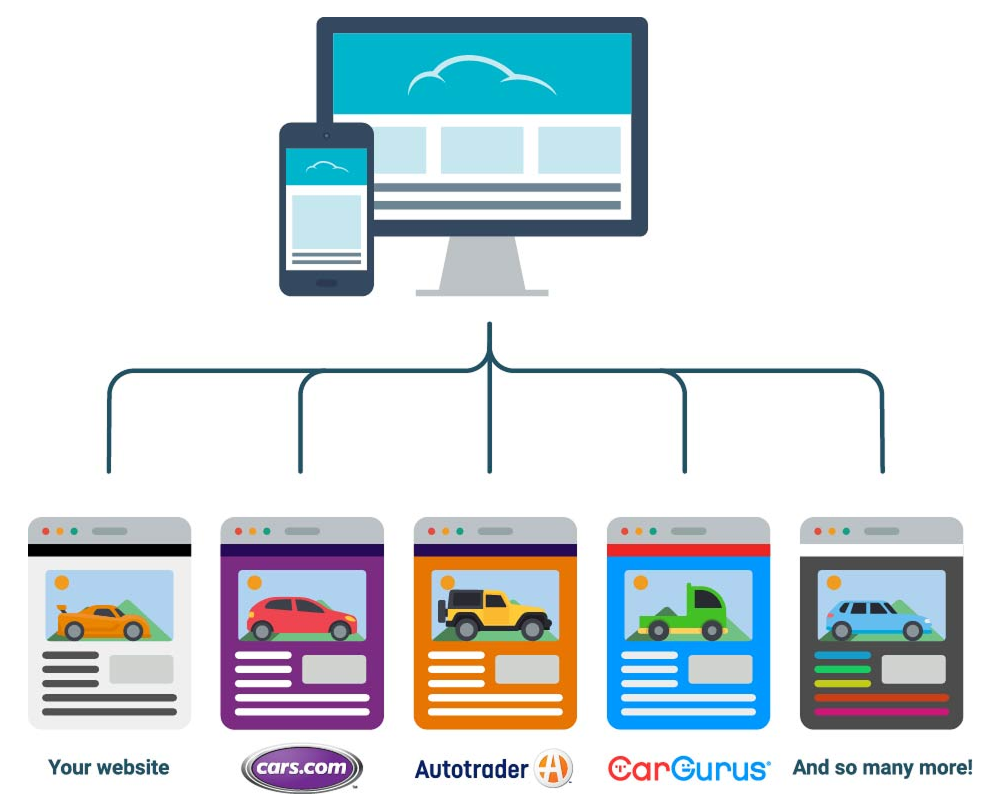
This is where platforms like dealr.cloud quietly change outcomes by removing steps that steal time when intent is highest.
3. Avoid Generic Follow-Ups That Don’t Match Buyer Behavior
Buyers expect context immediately. They want confirmation that the car exists, that it is available, and that the dealer understands what they asked for.
High-performing responses are specific:
- Send a photo of the exact vehicle
- Include a direct link to that vehicle listing
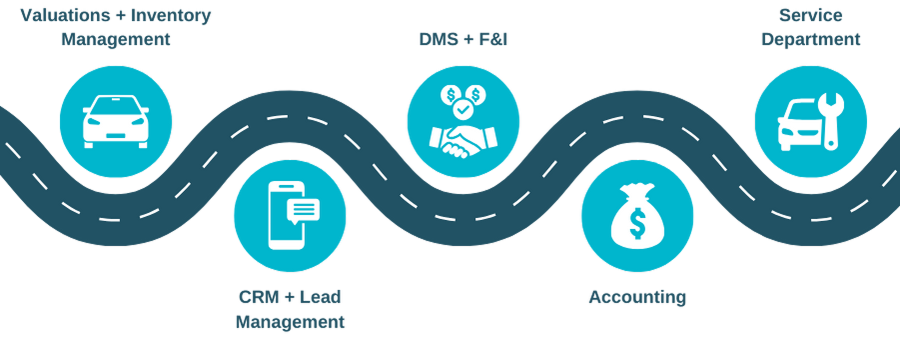
- See sales, inventory, service, and accounting together to offer the best price
- Clear next steps without pushing a phone call
Effective lead nurturing for dealerships depends on relevance and consistency, not scripted messages.
4. Conversion Does Not End at Contact
Many dealers assume the job is done once the buyer engages. The reality is different. Deals fall apart later due to preventable errors:
- Incorrect customer addresses that break taxes and title work
- Odometer mismatches between purchase and sale
- Incorrect tax calculations absorbed by the dealer
These errors slow closing, erode trust, and create rework. They directly affect dealership sales conversion.
5. Overspending on Leads That Don’t Sell
Ensure you choose the right dealer-tech platform to avoid these mistakes while competing with dealerships placed at prime locations.
Dealers keep funding sources that generate activity but not sales. Cost per lead looks reasonable. Cost per sold unit is never examined.
Without source-to-sale attribution, ad spend becomes guesswork. This is where lead generation for car dealerships becomes expensive without delivering real outcomes.
When you operate with fragmented systems, your sales teams negotiate without real numbers. These breakdowns make dealership sales conversion less profitable, even when demand exists.
Wrap-Up: Location Lost Its Edge. Process Didn’t.
Being on a busy road no longer guarantees attention. Being fast still does.
Lead volume goes up and down for reasons no dealer controls. Market uncertainty, offers, interest rates, seasonality, and competitors’ ad budgets. All of that affects lead generation for car dealerships. What’s in your control is your response time.
But responding fast doesn’t mean reacting in isolation. It means having a system that makes speed repeatable – speed with relevance, consistency of follow-up, and clarity on what’s working and what’s not. It also means knowing your true cost of acquisition, so you can negotiate better instead of guessing.
A dealership tucked away in an industrial area can outsell a prime-location store if it responds first and responds well. Buyers don’t care where your lot is when they are already online.
They care who answers – and how that response shows up.
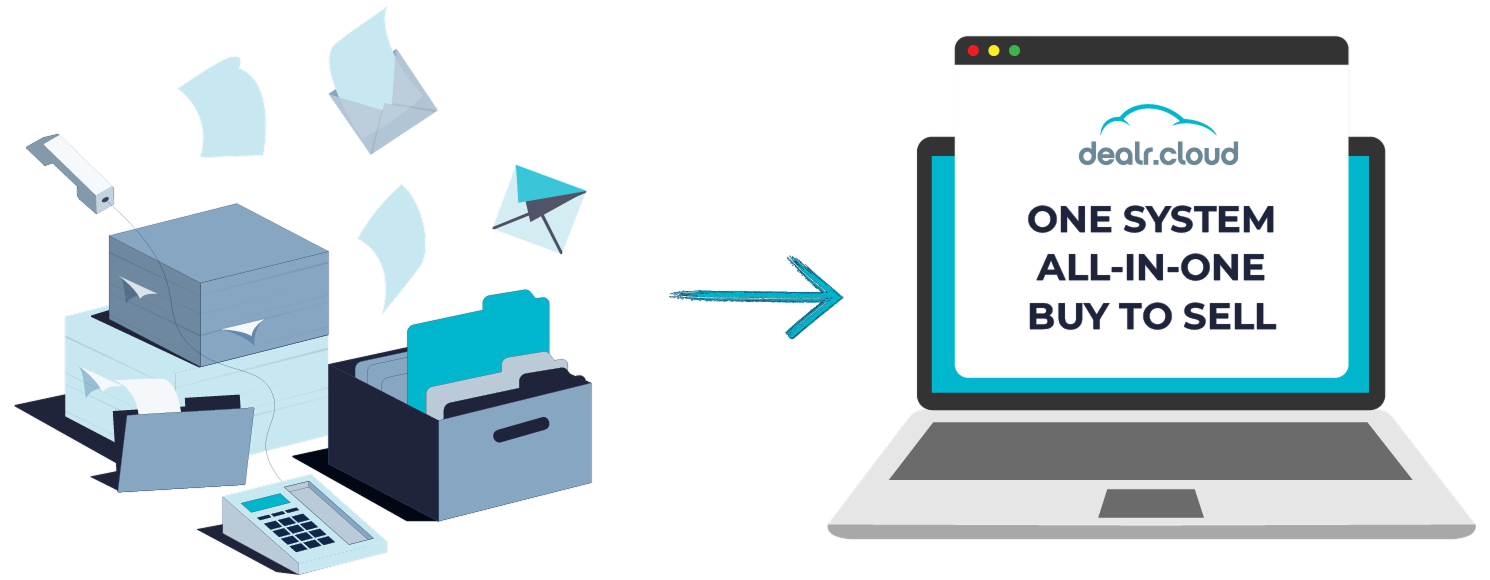
This is where the process becomes the real advantage. When lead response is systemised, follow-ups don’t leak, relevance improves, and decisions are made with real numbers instead of instinct. These shifts are one of the most underappreciated changes in independent dealership marketing -
Location used to decide who got seen.
Speed – supported by the right system – now decides who gets chosen.
“With dealr.cloud, independents get more than features. Everything you need to run your entire dealership in one system, with true operational and financial visibility.”